How Long Does It Take to Paint a 3-Bedroom House in Orange County?
site-PcAu4w • August 5, 2026

The body content of your post goes here. To edit this text, click on it and delete this default text and start typing your own or paste your own from a different source.
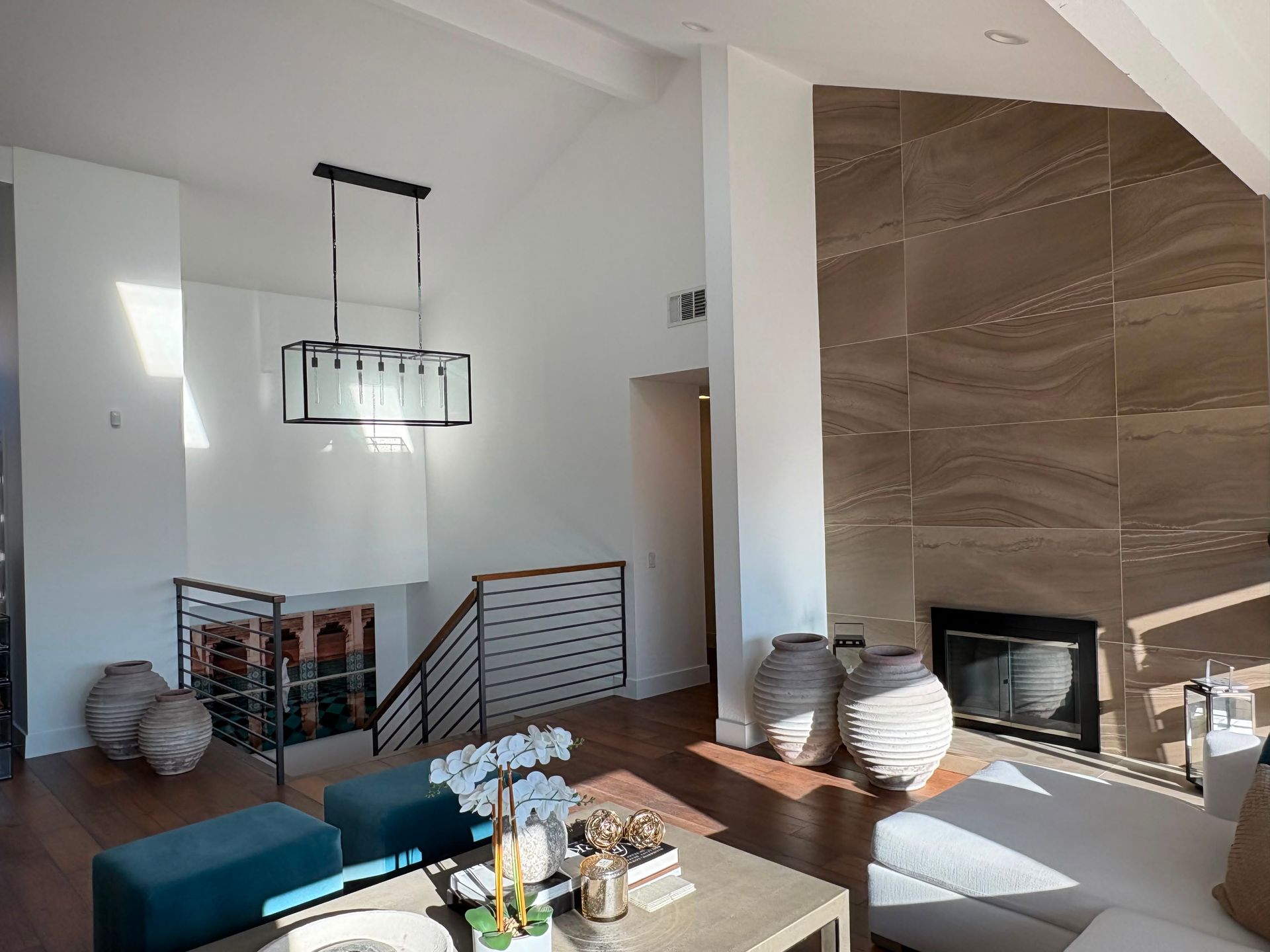
You walk into the spare bedroom, flip on the light, and the walls seem to lean in. The furniture fits, yet the room still feels tight and boxed in. The good news is that a can of paint can shift that feeling fast. Knowing what paint colors make a small room look bigger is one of the simplest, most affordable ways to open up a cramped space, and skilled interior and exterior painting turns a smart color plan into a clean result. Before you commit to a swatch, it helps to understand why some shades expand a room while others close it in. Why Color Affects How Big a Room Feels The effect comes down to how surfaces handle light. Lighter colors bounce illumination instead of soaking it up. When the walls reflect natural light, shadows soften and the room reads as more spacious. Dark shades do the opposite. Because dark colors absorb light, they pull the walls inward and make a tight room feel smaller. Used sparingly, though, deep tones can add visual depth in the right spot. The idea is simple, and a clear breakdown of light-expanding wall shades shows how much difference tone really makes. In a small room, that difference is the line between cozy and cramped. Best Light Paint Colors for Small Spaces Once you know the goal, the palette gets easier to narrow. The best options lean pale, clean, and gently warm so the walls seem to step back. Homeowners who want the shades matched to their rooms often bring in experienced house painters serving Orange County to test tones in real light before committing. Soft Whites, Off-Whites, and Neutrals Whites are the classic move for a reason. Soft whites and off-whites like Benjamin Moore White Dove or a warm Sherwin-Williams Alabaster bounce light without the clinical chill of a stark, bluish white. From there, gentle neutrals keep things airy. Neutral paint colors such as a soft greige work when pure white feels too plain, and a balanced pale gray and greige like Agreeable Gray reads clean while adding a hint of warmth. These shades brighten a space and photograph beautifully in daylight, which is why they anchor so many small-room makeovers. Cool Tones That Add Depth Cool colors recede, which is exactly what a tight room wants. Light blues and greens, from an airy sky blue to a muted sage, seem to drift backward and stretch the walls. That gentle retreat creates a real sense of openness. A soft blue-green like Palladian Blue or a light sage such as Saybrook Sage brings calm without heaviness. Paired with white trim, these tones give a room an open and airy feel. One caution: watch warm vs. cool undertones before you buy. The same blue can turn gray or green depending on your light, so test a sample on the actual wall. Paint Colors and Finishes for Small Rooms Color is only half the story. Paint finish and sheen carry the rest, steering how much light the walls throw back. Choose an eggshell or satin finish, since a soft sheen reflects more than a flat one. Carry the wall color up by painting the ceiling in a slightly lighter version to blur where the walls end. Use the same color on trim and baseboards to erase the hard lines that chop up a space. Lean into a monochromatic color scheme so the eye glides across the room without stopping. Keep any accent wall subtle, since a heavy contrast wall can shrink an already tight room. In small bedrooms and bathrooms, favor the palest shades so every window counts. These moves matter most in low-light rooms, where every bit of reflected brightness pulls its weight. An Orange County Painter's Top Picks Southern California light changes the math. With abundant natural sunlight pouring into the average Orange County home, pale and cool-leaning shades read even fresher here than they do elsewhere. These are the paint colors for small rooms that tend to shine in bright SoCal interiors. A warm off-white like White Dove keeps rooms crisp yet cozy, and its gentle glow helps make a small room look bigger without turning stark. A soft greige such as Balboa Mist grounds a space while still bouncing daylight, a favorite for hallways and compact kitchens. A clean gallery white like Chantilly Lace suits breezy rooms near Newport Beach and Irvine, where coastal light floods in. A quiet sage such as Sea Salt brings the outdoors in, echoing many recent color of the year picks that lean organic. An airy sky blue like Palladian Blue opens up north-facing bedrooms that miss the afternoon sun. Picking from a chip is one thing; seeing a shade behave on your own walls is another. A professional painter can steer you toward the right tone, coverage, and finish for each room. To book a color consultation, you can schedule your painting quote and walkthrough with the local team. Every visit starts with a free estimate, so you can plan with clear pricing up front. Frequently Asked Questions What is the best paint color to make a small room look bigger? Soft, light shades win almost every time. A warm off-white, a pale greige, or an airy cool tone reflects the most light and helps the walls recede. Do dark colors ever work in a small room? Yes, in small doses. A single deep accent wall can add depth and drama, but covering every wall in a dark shade will make the space feel smaller. Should I paint the ceiling the same color as the walls? Often, yes. Carrying a slightly lighter version of the wall color onto the ceiling blurs the boundary and makes the room feel taller. What paint finish makes a room look larger? A light-reflecting sheen helps most. An eggshell or satin finish bounces more light than a flat one, and a semi-gloss can work on trim for extra shine. Does natural light change which color I should pick? Very much so. Bright, sun-filled rooms can handle cooler tones, while low-light rooms usually look best in warmer whites that keep them from feeling gray. Can a painter help me choose the right shade? Yes. Testing samples in your actual light removes the guesswork, and a color consultation with a local pro pairs the right tone with the right room.
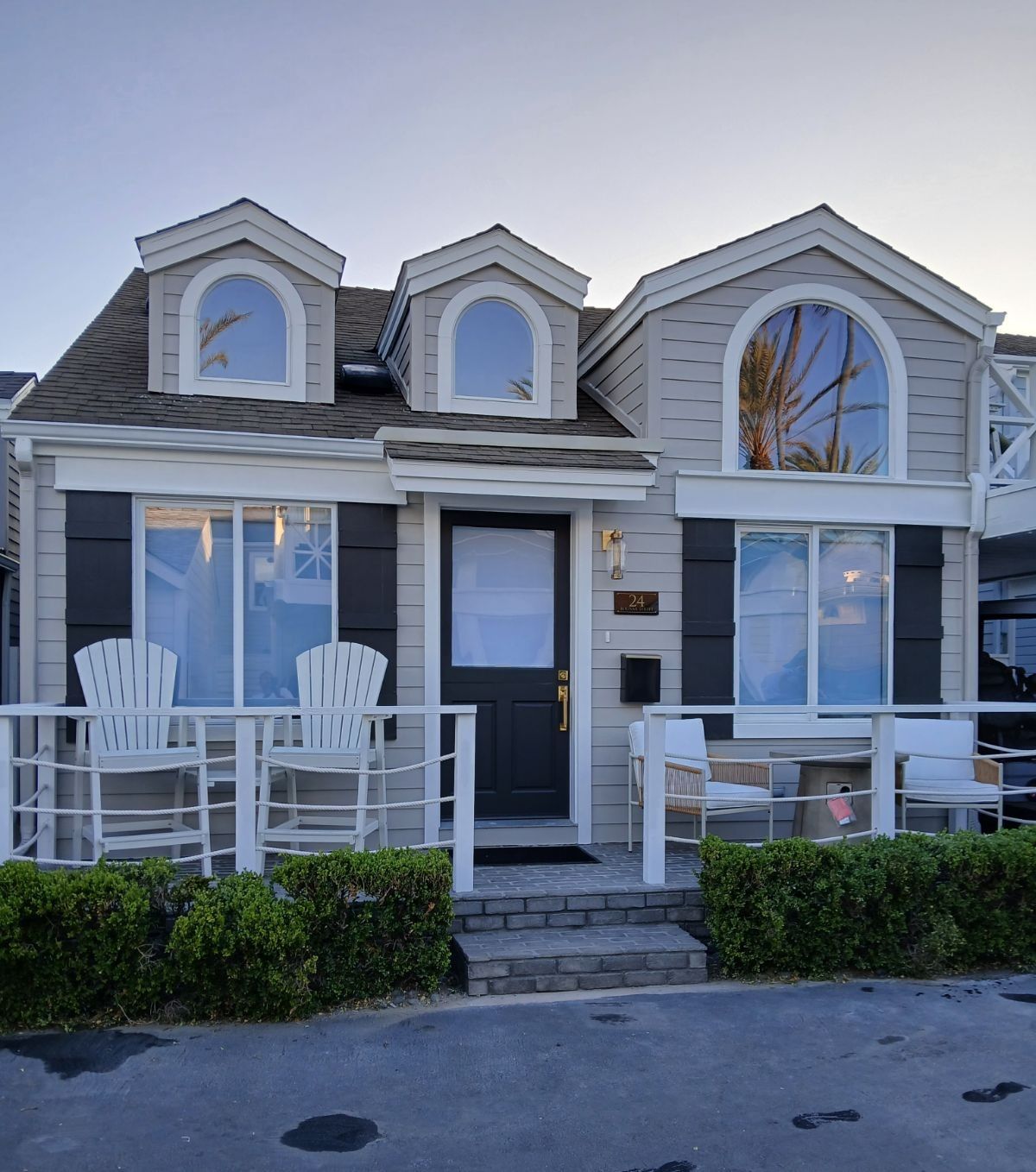
You are standing in the paint aisle with a swatch already chosen, a roller in the cart, and one decision still open. The color feels settled. The formula does not. That final choice, latex vs oil-based paint, shapes how a room looks on day one and how it holds up for years. Get it right and the finish stays clean and true. Get it wrong and you are repainting sooner than you planned. Homeowners weighing the two usually want a straight answer before they commit, which is where an honest comparison and dependable professional painting services both earn their place. Quick answer: for most interior walls and ceilings, latex is the practical choice. It dries quickly and rinses off brushes with soap and water. It also resists yellowing over time, so light colors stay truer for longer. Oil-based paint still earns its spot on the surfaces that take daily contact. Think trim, doors, and cabinets, where a harder film shrugs off scuffs. In a typical Orange County home, latex covers most of the work while oil-based handles the high-wear details. Latex vs. Oil-Based Paint: An Overview Modern paint comes down to two families. One is water-based paint, which most shelves simply label as latex. The premium version is often acrylic latex paint, which adds resins for a tougher film. The other family is oil-based paint, built on a solvent that gives it a denser, slower-curing body. The gap between them has narrowed. Many latex products now qualify as low-odor paint, a real shift for indoor work. They also carry far lower VOC levels than the solvent formulas of the past. Understanding those differences is the first step in choosing the right paint for each room. A broader home reference such as Bob Vila's overview of paint types and finishes can round out the picture on sheen and application. When it comes to latex vs oil-based paint, the smarter move is always matching the formula to the surface. The Difference Between Latex and Oil-Based Paints The clearest difference shows up in drying time. Latex sets fast, often ready for a second coat within hours. Oil-based cures slowly, sometimes needing most of a day between coats. That slow cure is not all downside. Oil levels out as it dries, which reduces brush marks and leaves a glassier surface. Latex dries too quickly to self-level the same way, though quality acrylic has closed much of that gap. Paint durability also splits along these lines. Oil forms a harder film that resists abrasion, while latex stays more elastic and copes better with humidity and seasonal movement. Pros and Cons of Latex Paint For everyday walls, quality latex paint is hard to beat, though it has limits worth knowing. Easy cleanup counts as its biggest daily advantage, since brushes and spills come clean with water and no solvents. It recoats fast, so a room can go from bare to finished in a single day. Strong flexibility and crack resistance let it move with the surface instead of splitting. Better fading and color retention on sunlit walls keeps tones looking fresh. Low odor and lower emissions make it a comfortable pick for occupied rooms. Weaker paint adhesion on slick or previously oiled surfaces means priming matters. Pros and Cons of Oil-Based Paint Oil-based paint trades convenience for toughness. Its big reward is a smooth, hard finish that stands up to handling, moisture, and repeated cleaning better than most latex. It also grips difficult surfaces well, bonding to glossy or worn areas where water-based products tend to struggle. The tradeoffs are real, though. Cleanup calls for mineral spirits rather than a quick rinse, and the fumes are noticeably stronger during application. One more caution deserves attention. Oil can amber as it ages, and on whites and pastels that yellowing over time is the main reason many painters reserve it for spots where its strength truly pays off. Best Paint Type for Interior Walls For everyday walls and ceilings inside the home, latex wins on balance. It is low in odor, fast to dry, and forgiving when you need a touch-up later. Good results still depend on prep, not just the can. Careful surface preparation, from filling holes to light sanding, gives the paint a sound base. A round of priming before painting then seals patches and evens out porosity so the color reads consistently across the wall. Most interior jobs need two coats for full coverage, and the number of coats climbs when you move from a dark shade to a light one. Homeowners who would rather hand this off can lean on experienced house painters across Orange County to prep, prime, and finish in a single visit. When to Use Oil-Based Paint on Trim and Cabinets Oil still has a clear place, and trim work is where it shines. Reach for it in a few specific situations. High-touch trim and molding that get bumped, wiped, and grabbed every day. Cabinets and built-ins, where a factory-smooth look and a long-lasting finish justify the slower dry. Surfaces already coated in old oil paint, since matching the base improves adhesion. Select exterior surfaces like handrails or thresholds that face heavy wear. Any job where a glass-smooth, brush-mark-free result matters more than speed. Even in those cases, many homeowners still hire professional painters for cabinet work, because the prep and dust control are exacting and easy to underestimate. Which Paint Is Best for Your Orange County Home? Local conditions tip the scale. For Orange County homeowners, the warm dry weather rewards durable coatings that hold up under steady use. Strong sun exposure and coastal light make fade resistance a real priority rather than an afterthought. That points most Southern California interiors toward quality latex, with oil reserved for trim and cabinet detail. Nearer the water, the coastal climate and salt-tinged air make flexible, moisture-tolerant finishes especially valuable. Whether your home sits inland toward Anaheim and Irvine or closer to the shore, the right pairing depends on your surfaces and goals. To match the formula to your rooms and lock in a free estimate, you can reach the Suprema Painting team and start with a simple walkthrough. Frequently Asked Questions Is latex or oil-based paint better for interior walls? For most interior walls, latex is the stronger everyday choice. It dries fast, cleans up easily, and resists yellowing, while oil is best saved for trim and cabinets. Can I put latex over oil-based paint? Yes, but only after proper prep. Sand the sheen, clean the surface, and apply a bonding primer so the new coat grips instead of peeling. Which paint dries faster? Latex dries far faster. It is often recoatable within a couple of hours, while oil can need most of a day between coats. Does oil-based paint really yellow? It can amber as it ages, most visibly on whites and pastels. That is why many painters keep it on trim, doors, and cabinets rather than large walls. Do I need a professional for cabinet painting? Not always, but cabinets demand exacting prep and dust control. Hiring professional painters usually pays off here, giving you a cleaner result with fewer visible flaws. How many coats will my walls need? Most interior jobs need two coats for even coverage. That count rises when you switch from a dark color to a light one or paint over stains.
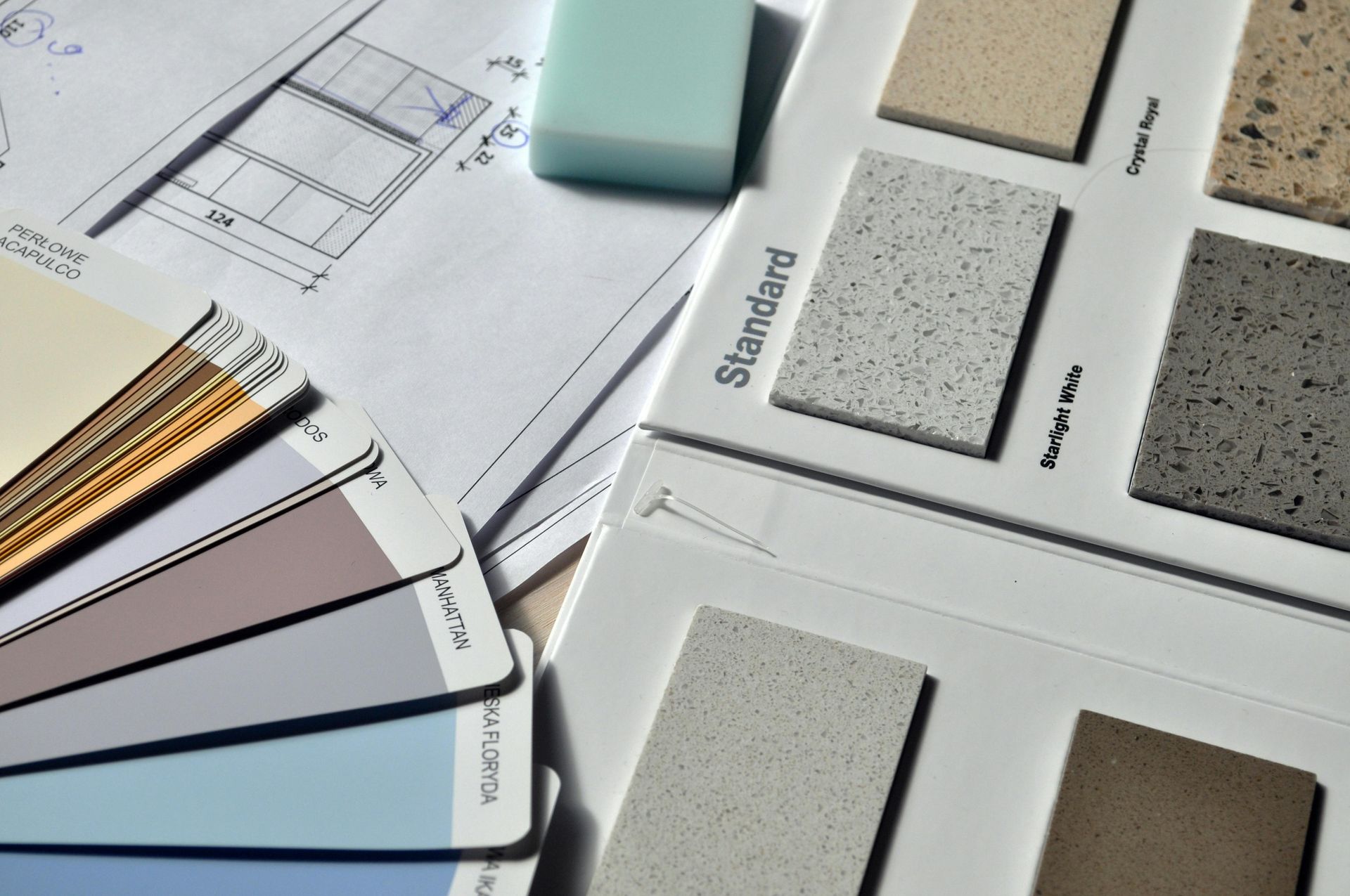
The most durable interior paint brands for Orange County homes are typically Benjamin Moore, Sherwin Williams, and Dunn-Edwards, with a few standout lines that resist scuffs, stains, and fading better than cheap paint. If you want long-lasting interior paint, the “best” choice depends on your room use, your microclimate, and the prep behind the interior paint job. Below is a practical guide from the perspective of local painters (and what we see hold up after the “new paint” excitement wears off). The most durable interior paint brands for Orange County homes: what “durable” really means Durability is not one thing. For indoor paint, it usually means: Scrub resistance (can you clean shoe marks and smudges?) Resistance to burnishing (shiny rub spots from physical contact) Stain resistance (kitchens, hallways, kids’ rooms) Color stability (sunlight can still fade interiors—UV rays cause color fading in paint) In Orange County, durability also depends on your specific microclimate. Coastal homes deal with marine layer moisture and salt air. Inland homes get more heat and sun through windows. Top paint brands we trust for long-term performance You’ll see many paint companies claim toughness. In the real world, these are the best paint brands we see performing well, especially when paired with strong prep work and the right sheen. 1) Benjamin Moore (Regal Select + Aura) Benjamin Moore is a go-to for color retention and washability. Benjamin Moore Regal Select is a popular “workhorse” for busy homes. It has dependable coat coverage (often cited around 450 square feet per gallon), and it tends to hide and clean well. Aura paint (often called aura paint or BM Aura) is known for rich color and strong fade resistance. It’s a common pick when clients want deeper tones without constant touch-ups. This is often expensive paint, but it can save money over time if it avoids early repainting or constant patch-and-blend. 2) Sherwin-Williams (Emerald + Duration) Sherwin Williams has several strong interior lines, and two come up often for durability: Sherwin Williams Emerald is highly rated for stain resistance and burnish resistance, which matters in hallways and family rooms. Sherwin-Williams Duration is known for durability and flexibility (even though it’s also marketed heavily for exterior paints). If you hear homeowners debating “williams and benjamin moore,” it’s usually because both are high-performing. The best choice often comes down to sheen, color goals, and budget. 3) Dunn-Edwards (California-friendly formulas) Dunn-Edwards is a solid contender for the best interior paint for California homes because their formulas are designed with local environmental rules in mind. If you care about odor and indoor comfort, ask about their low-emission options and certifications. 4) Behr Dynasty (best “big box store” upgrade) If you’re shopping at a big box store, Behr Dynasty is one of the better paint lines for coverage and durability. It’s known for strong hide (often marketed as covering about 90% in one coat), but for a uniform finish we still plan for two coats. It can be a smart step up from budget paints and low quality paints, especially for rentals or quick refreshes. Pick the right paint for the room (not the label) Even the best paint can look bad if it’s used in the wrong place. Living rooms and most main spaces: satin or eggshell is a sweet spot for cleanability and a forgiving look. Dining rooms: often eggshell or satin, depending on light and wall texture. Kitchens and baths: choose a durable, washable paint with a mildew-resistant formula. Mildew-resistant formulas are important for kitchens and bathrooms in coastal areas. Low traffic rooms: you can use a more standard product and still be fine. Also think about color. Lighter colors tend to reflect light and can resist visible fading better than darker colors, especially in bright rooms. If you get intense sun through windows, paints labeled UV-resistant can help. Oil based paint vs water-based: where it still makes sense For most walls, modern water-based acrylic paint is the standard. But oil based paint (or oil based enamels) still comes up for trim when you want a harder finish and smoother leveling. That said, oil products can have more odor and cleanup demands. If air quality matters (kids, pets, sensitivities), ask about low-odor alternatives and low voc options. Air quality: low-VOC and zero-VOC paints If you’re repainting an entire house, indoor comfort matters as much as durability. Paint can release volatile organic compounds while it cures. Many homeowners now look for zero voc or zero voc paints (sometimes written as zero voc paints) or voc free options. These products can be great, but don’t assume “zero” means “no smell ever.” Ventilation still helps. Prep and tools: the real difference between “great paint” and a great result Paint fails when it can’t bond or when stains bleed through. Patch first: patch holes and sand smooth. Prime smart: use a stain blocking primer for water stains, smoke, or heavy marks. Clean walls: grease and dust can cause the wrong paint outcome even with premium products. Apply evenly: a quality roller and technique matter. Using a quality roller cover reduces lint and improves finish quality. Many pros also use back-rolling where needed for more even adhesion and uniform texture. Also, don’t fall for “miracle coverage.” Even the best paint usually looks best with two coats, especially when changing sheen or color. Where to buy paint and what to ask for A dedicated paint store can be worth it for advice, fresher stock, and access to contractor-grade products. Ask about: Contractor pricing Best sheen for your walls Whether your chosen white paint will flash over patches If a product is a better fit than “other paints” you were considering If you’re trying to match existing color, most stores can get you color matched to the same color (or help you find the perfect shade) before you commit. Quick note: interior vs exterior paints Don’t use exterior paints inside unless a pro confirms it’s appropriate for the space. Some best exterior paints have additives meant for weather, not living spaces. Likewise, interior paint is not made for exterior colors and sun exposure outdoors. Want help choosing the right paint color and line? At Suprema Painting, we help Orange County homeowners pick a durable system that fits the room, light, and lifestyle. If you want a second opinion before you buy paint, book a free color consult. FAQs 1) What’s the best interior paint for California homes? The best interior paint for California homes is usually a high-quality acrylic wall paint that balances washability, low odor, and durability. In Orange County, many homeowners do well with Benjamin Moore, Sherwin-Williams, or Dunn-Edwards because they perform reliably in sunny, coastal-adjacent conditions. Choose based on room use and sheen. A great wall paint in eggshell can outperform a “tough” paint in the wrong finish. 2) Which paint brands are best for scuff and stain resistance? For high-traffic areas, look for lines known for scrub resistance and stain resistance, like Sherwin Williams Emerald or Benjamin Moore Regal Select. These tend to handle frequent wipe-downs without getting shiny or patchy. Durability also depends on prep. Skipping cleaning and priming can make premium paint behave like low-grade paint. 3) Is expensive paint worth it? Often, yes—if it reduces repaints and touch-ups. Expensive paint can offer better resins, better leveling, and better stain resistance, which usually means fewer frustrations in busy homes. If the space is low-use (a guest room), a mid-range paint can still be fine. Spend more where life happens. 4) Can I really get one coat coverage? Some products claim near one coat hide, and they can look good in ideal conditions. But for a consistent finish—especially over patches or color changes—two coats are the safer standard. If you want to cut labor, the better strategy is strong prep and a paint with solid hide, not gambling on one coat. 5) What paint is best for coastal Orange County homes? In coastal areas, humidity and salt air can stress coatings, even indoors near open windows. Pick a durable acrylic with good washability, and consider mildew-resistant formulas for kitchens and baths. Also watch your ventilation. Air quality improves fast with fans, open windows, and low-VOC products. 6) Are zero-VOC paints less durable? Not automatically. Many zero voc paints are very durable today, especially from major brands. The key is choosing the right line for your room and not mixing a “green” label with a low-performance product. Ask the store or your painter which zero-VOC line holds up best for cleaning and scuffs. 7) Should I use oil based paint on trim? Oil based paint can still be a good choice for trim when you want a harder, smoother finish. But it can smell stronger and take longer to cure, so it’s not always ideal for occupied homes. Many modern water-based trim enamels now give excellent results with easier cleanup, so compare options before committing. 8) Do I need a stain blocking primer? Use a stain blocking primer when you have water stains, smoke, tannin bleed, or heavy marks. Primer keeps stains from telegraphing through the new finish and helps paint bond evenly. If your walls are clean and sound, you may only need spot priming where you repaired or patched. 9) Can a paint store match my existing paint color? Yes. Most stores can scan a sample and get it color matched very closely. It helps to bring a clean, flat piece (like a cover plate) rather than a dusty wall chip. If you’re trying to touch up, matching the same color isn’t always enough—sheen and wall wear also affect how it blends. 10) What’s the biggest mistake homeowners make when choosing paint? Buying the wrong paint for the room, usually by chasing a bargain or picking the wrong sheen. Cheap paint and low quality paints often need more coats, scuff faster, and show patching more. A close second is skipping prep. Great paint can’t fix dirty walls, loose patches, or glossy surfaces that weren’t sanded.